Trust, But Confirm: What Happens in the Parlor When No One Is Watching?
August 7, 2026
Across the industry, many dairies are asking the same question, “How do we get more cows through the parlor than it was originally designed for”? Sometimes this pressure comes from herd growth, sometimes from labor constraints, and sometimes from a long-term vision that requires maximizing existing infrastructure before adding steel and concrete.
The answer is rarely a single silver bullet. Instead, parlor efficiency is built on dozens of small, interconnected decisions that influence cow flow, milker performance, milk quality, and ultimately cow welfare. Below are several key areas to evaluate when trying to increase throughput without breaking the system.
1. Cow Flow Opportunity – The Small Things Matter
Cow flow starts long before a unit is attached. Cows are prey animals, and they are incredibly sensitive to their environment. When flow slows down, it’s often not because cows are being stubborn, it’s because something is telling them to hesitate.
Common cow flow disruptors include:
- Lighting: Dark entrances, shadows, glare, or inconsistent lighting patterns. Having light fixtures clean and all bulbs operating is often overlooked.
- Noises: Air leaks, banging gates, hissing pneumatics, loud conversations or even if the manure hauling season has begun with the path of trucks going past the parlor – cows hear it.
- Smells: Strong chemical odors, manure buildup, stagnant air or even things as simple as someone just got done welding on a gate – the cows take note.
- Sights: Moving hoses, flapping curtains, people standing in cow lanes, or visual dead ends.
Each of these may seem minor on its own to us as humans, but they do dictate whether cows walk willingly or stop, hesitate, and back up. Improving cow flow is often about removing friction rather than forcing movement.
2. Crowd Gate Control: Flow, Comfort, and Cleanliness
Crowd gates are a powerful tool, or a major liability depending on how they are managed. Proper crowd gate use should support forward movement, not create pressure points that stress cows.
A key red flag to watch for: If the milker team regularly needs to enter the holding area to physically push cows into the parlor, there is usually a larger issue at hand.
That issue could be:
- A learned habit of stopping short of the parlor
- Fear of the parlor entrance
- Overaggressive crowd gate use
- Environmental distractions near the parlor door
When cows stall, stress increases and so does defecation. The more cows defecate in the parlor, the more time, labor, water, and effort it takes to keep things moving. Cleanliness and cow flow are directly connected.
Well-timed, smooth crowd gate movement improves comfort, reduces mess, and keeps cows mentally engaged in forward motion.
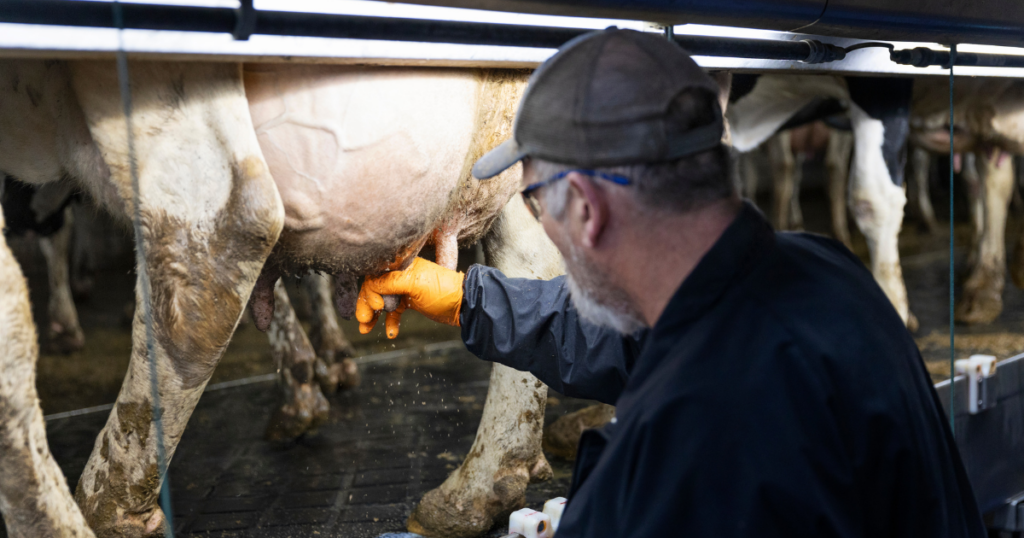
3. Prep Routine Sets the Tone for the Entire Milking
If throughput is the goal, the prep routine cannot be overlooked. A consistent, disciplined prep routine with proper stimulation and prep lag time directly influences:
- Total unit‑on time
- Milk letdown quality
- Bimodal milkings
- Teat end health
Rushing prep does not speed up milking; it usually slows it down. Poor stimulation leads to delayed letdown, longer machine time, and frustrated milkers trying to compensate later in the process.
When prep is dialed in, cows milk out faster, units come off cleaner, and the entire parlor rhythm improves. This is one of the most reliable ways to increase turns per hour without adding physical strain to cows or people.
4. Post‑Dip Opportunities: Speed Without Compromise
As parlors push higher throughput, post‑dip routines are an area worth evaluating for efficiency gains.
Some possible options include:
- Walk‑over sprayers in rapid‑exit parlors
- Udder mister systems in rotary parlors
When properly designed and maintained, these systems can provide consistent coverage while reducing bottlenecks at exit. The goal is not to shortcut teat health, but to maintain protection while supporting cow flow and reducing repetitive labor demands.
As with any system, training, maintenance, and verification are critical to success.
5. Grouping Cows by Milk Out Speed
Not all cows milk the same and pretending they do often limits parlor efficiency.
Grouping cows by milk out speed can open meaningful opportunities to:
- Reduce overmilking
- Improve parlor rhythm
- Match prep and attachment timing more consistently
- Lower stress on slow milking cows
When cows with similar milk out characteristics are milked together, the parlor runs more smoothly from start to finish. This approach requires good data and thoughtful grouping, but the payoff can be significant across an entire milking shift.
6. Rethinking Late Lactation Strategy
For some dairies, increasing parlor capacity may also involve reevaluating milking frequency, particularly for cows late in lactation whose production is declining.
Exploring a shift from 3x to 2x milking for a specific group may:
- Free up parlor capacity
- Reduce labor pressure
- Improve cow comfort
Yes, this can complicate logistics. But it’s important to weigh that complexity against the alternatives:
- Culling cows earlier than desired
- Adding stress to milkers and cows
- Limiting long-term growth potential
This is where vision matters.
Ask the bigger questions:
- Is expansion part of the long-term plan?
- Is the goal more milk out the door or improved equity and lending position?
- How much pressure can the parlor and team sustain while protecting milk quality and cow welfare?
In some cases, the right answer may even be adding another milker position to a shift. While this increases labor cost, it may be the key to unlocking better cow flow, higher throughput, and long-term sustainability.
7. Parlor Equipment: Performance Requires Maintenance
When the goal is to push more cows through the parlor, equipment performance can either support that effort or quietly sabotage it.
Parlor efficiency depends on every system doing its job, every shift. That includes not only milking equipment, but all of the supporting components that influence cow flow and milker rhythm.
Key areas that must be routinely evaluated and maintained include:
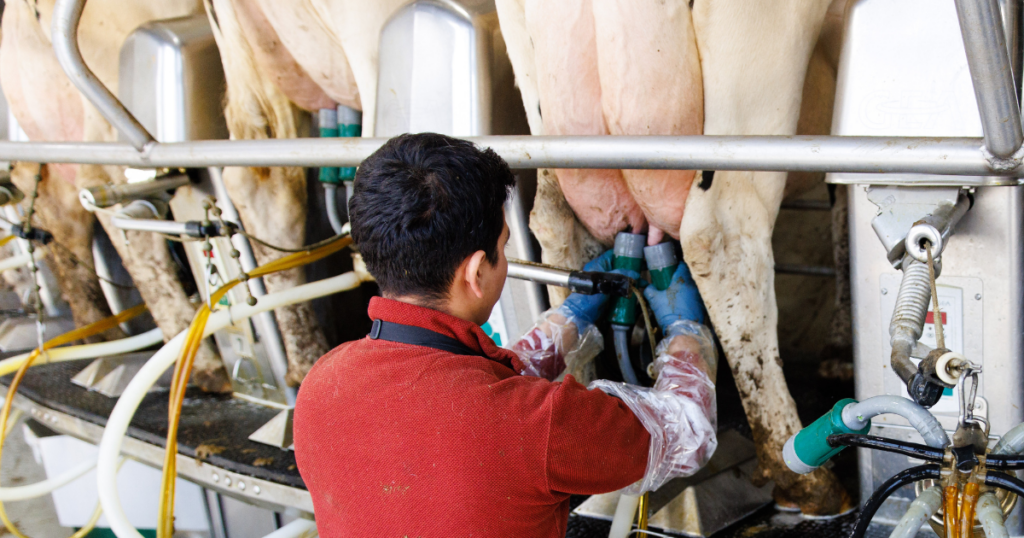
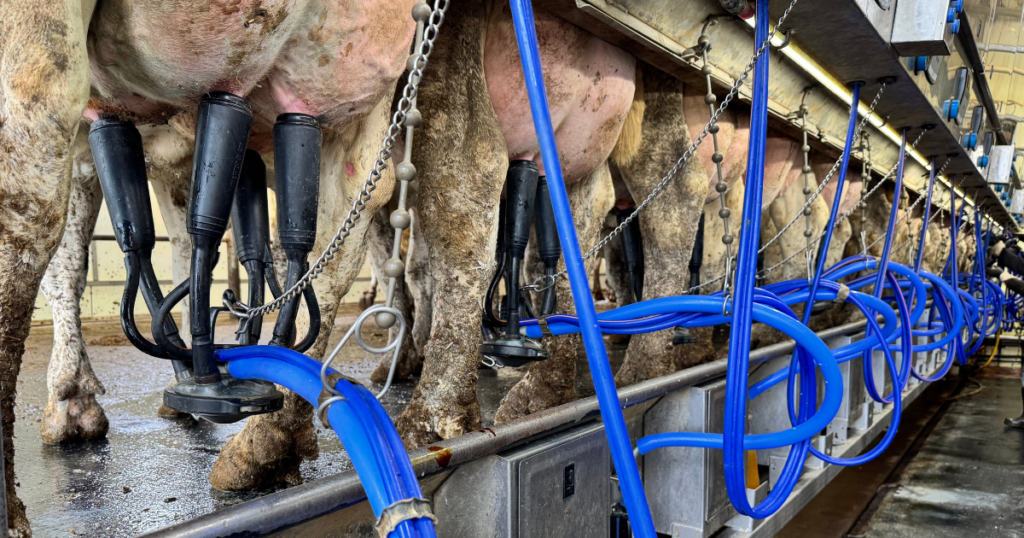
- Milking equipment: Liners, hoses, claws, regulators, pumps, and vacuum stability
- Pulsators: Consistent ratios, timing, and function across all units
- Automatic takeoffs: Proper settings, responsiveness, and maintenance
- Indexing gates: Accurate timing, smooth movement, and reliability
- Entrance and exit gates: Proper alignment, quiet operation, and consistent response
- Crowd gates: Speed control, safety sensors, and predictable movement
When any one of these systems underperforms, the ripple effect is immediate with potentially longer unit‑on times, disrupted cow flow, frustrated milkers that are now rushing to stay caught up, and increased stress on cows.
It’s also important to remember a simple truth: If the parlor team does not have the tools to do the job, you cannot expect them to do their jobs up to expectations.
High expectations for parlor performance must be matched with:
- Proactive maintenance schedules
- Clear accountability for repairs
- Readily available replacement parts on hand.
- A culture that treats maintenance as a production strategy, not an afterthought
If we expect a parlor to perform intensely, we must expect maintenance to be kept up to speed. Well-maintained equipment doesn’t just prevent downtime; it protects cow comfort, supports milk quality, and gives employees the confidence to execute protocols correctly.
Final Thought: Short-Term Decisions, Long-Term Vision
Turning more cows through the parlor isn’t about cutting corners. It’s about aligning cow behavior, equipment, people, and protocols toward a shared goal.
The most successful dairies take a short-term efficiency mindset while keeping a long-term vision firmly in focus. When cow comfort, milk quality, and employee sustainability are protected, parlor performance naturally follows.
Efficiency done right doesn’t just move more cows; it builds a stronger dairy.