Turning More Cows Through the Parlor: Finding Efficiency Without Sacrificing Cows or People
August 21, 2026
Cow Behavior Doesn’t Lie: Every Milking Tells a Story
July 24, 2026
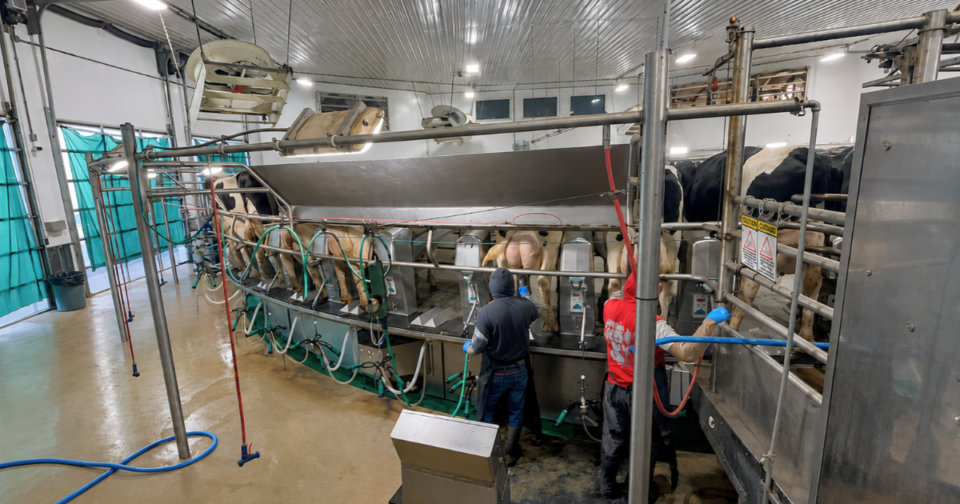
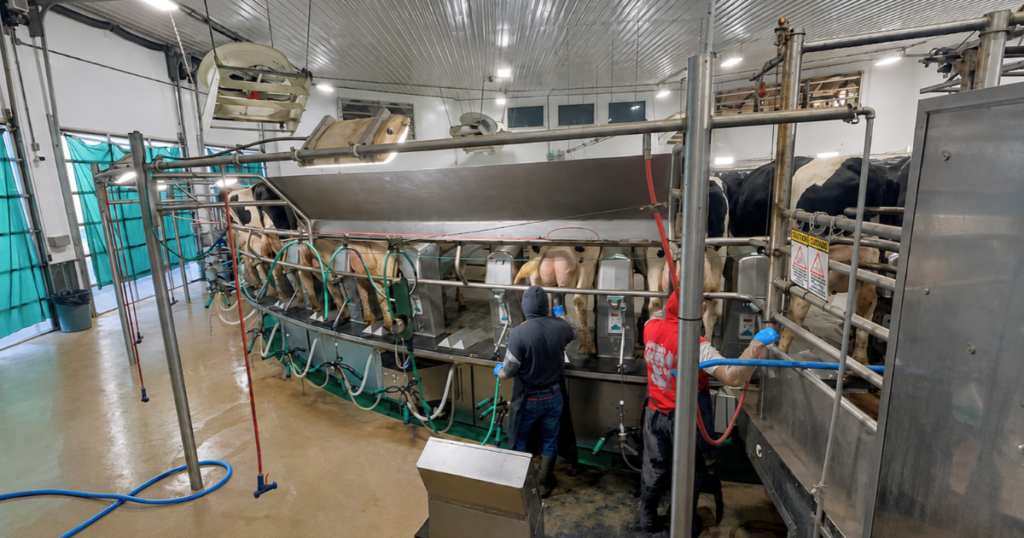
It’s 3:00 in the morning and the parlor is already running. Cows are quietly filing into the holding area, the first group is stepping in, and the routine has begun. Teats are being prepped, units are going on, and milk is starting to flow into the tank. From a distance, everything looks normal.
But here’s the question every dairy owner or manager eventually asks themselves:
What actually happens in the parlor when no one is watching?
Trust Starts with the Right Team
Milking procedure details matter. Teat preparation, unit attachment timing, post-dip coverage, and overall routine consistency are the foundation of milk quality and udder health. Dairies invest significant time training their milking teams to follow those procedures correctly.
The ultimate goal is always the same: to build a team that believes in the mission of the dairy. When milkers understand the “why” behind the routine and feel like they are part of something bigger than simply getting cows milked, something important happens. Pride starts to develop. People begin to feel ownership in the herd and responsibility for the results.
When that happens, integrity shows up in the parlor even when no one is standing there watching.
Read more on how to build a dream team for your dairy here.
Trust, But Confirm
That kind of culture is incredibly valuable. In fact, it’s what every dairy should strive for. But good management also understands that even the best culture is strengthened by systems, accountability, and checks and balances.
Some managers hesitate to implement monitoring tools because they worry it feels like spying on employees or managing from behind a computer screen. That perspective misses the real purpose. The goal is not to play “big brother.” The goal is to build a system around a simple concept: trust, but confirm.
Today our industry has more tools than ever to help create that visibility just to put it out there that monitoring is happening. Camera systems in parlors have become common. AI-driven monitoring tools can flag deviations in routine or identify areas where procedures are slipping. Parlor systems can connect what is happening in the parlor to outcomes in milk quality and cow health.
None of these tools replace people, and they shouldn’t. What they do is support management by providing the ability to see what is actually happening and to reinforce the standards the dairy has worked hard to establish. In a way it helps remove the emotion and makes a potentially hard conversation become objective vs subjective.
Sometimes the biggest difference comes from something very simple, just knowing that someone might be watching.
Visibility Changes Behavior
I worked with a dairy that had been struggling with clinical mastitis cases for quite some time. Their bulk tank somatic cell count consistently hovered around 300,000. Protocols were in place, training had been done, and management believed the routine was being followed correctly, and the wrong things were being blamed. Yet the results coming out of the tank kept telling a different story.
One thing the dairy did not have in place was a camera system in the parlor. Eventually they decided to install cameras. The important detail here is that the milkers knew about it. This wasn’t about secretly catching someone doing something wrong. It was about giving management a better understanding of what was actually happening during milking.
What happened next was interesting. Within about three weeks, the dairy’s somatic cell count dropped from around 300,000 into the low 100,000 range. The cows hadn’t changed. The equipment hadn’t changed. The milking protocols hadn’t changed.
What changed was the consistency of execution.
When milkers understood that the routine could be reviewed, discussed, and potentially effect their personal life via monetary value, the details suddenly mattered more and compliance hit home real quick. Prep improved. Timing improved. Post-dipping became more consistent. Small corners that are easy to cut when no one is paying attention began to disappear. It also weeded out the bad offenders that didn’t truly care.
Monitoring is Only as Good as Management
Of course, installing monitoring tools is not a magic fix. Cameras, AI systems, and data alerts and reports only create visibility. They still need to be managed.
Over time, people naturally learn where the cameras are. They figure out when management usually checks them. If no one is actively reviewing the information or following up on what they see, the routine can slowly drift again. That’s just human nature.
Monitoring systems only work when they are paired with active management and honest conversations. Those conversations should not always be about correcting problems. In fact, some of the most powerful moments come from using these tools to recognize a job well done. When a milking crew executes the routine correctly and milk quality improves as a result, that’s something worth pointing out. It reinforces the connection between their work and the health of the herd.
When employees see that connection, pride starts to build. The routine stops feeling like a list of rules and starts feeling like a professional standard. At the end of the day, monitoring systems are not about controlling people – they are about using them as a tool to help your people grow both professionally and personally. I have seen so many milking technicians start with a dairy organization with little more than the shirt on their back, still a bit immature and rowdy in life. But, in a short time, they grow into polished professionals.
Every decision made in the parlor affects udder health, mastitis rates, somatic cell counts, milk quality premiums, and overall cow welfare. The details matter, and consistency is what protects those details. Building a culture where milkers take pride in their work should always be the goal. But pairing that culture with systems that confirm procedures are being followed creates something even stronger.
It creates accountability.
And in dairy, accountability is often the difference between average results and exceptional ones