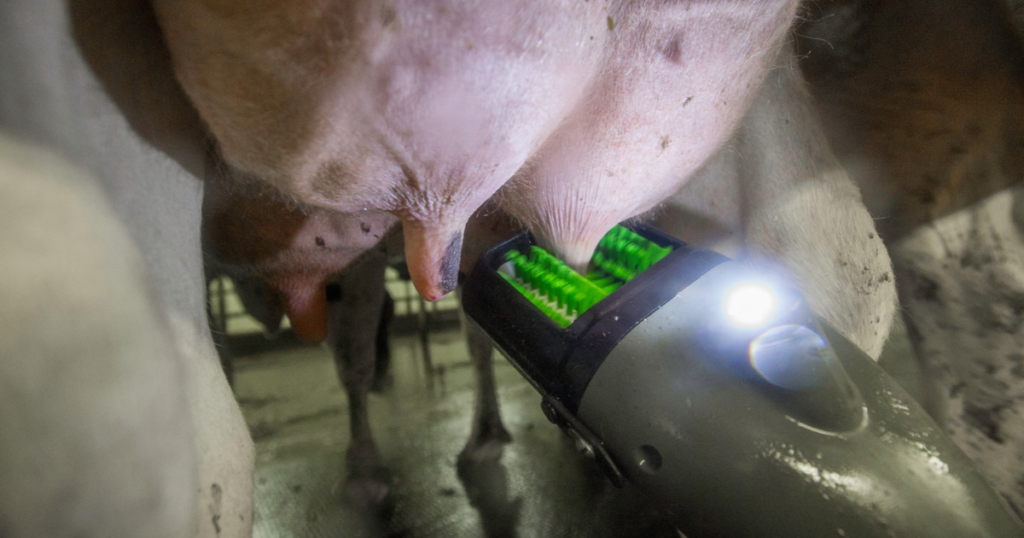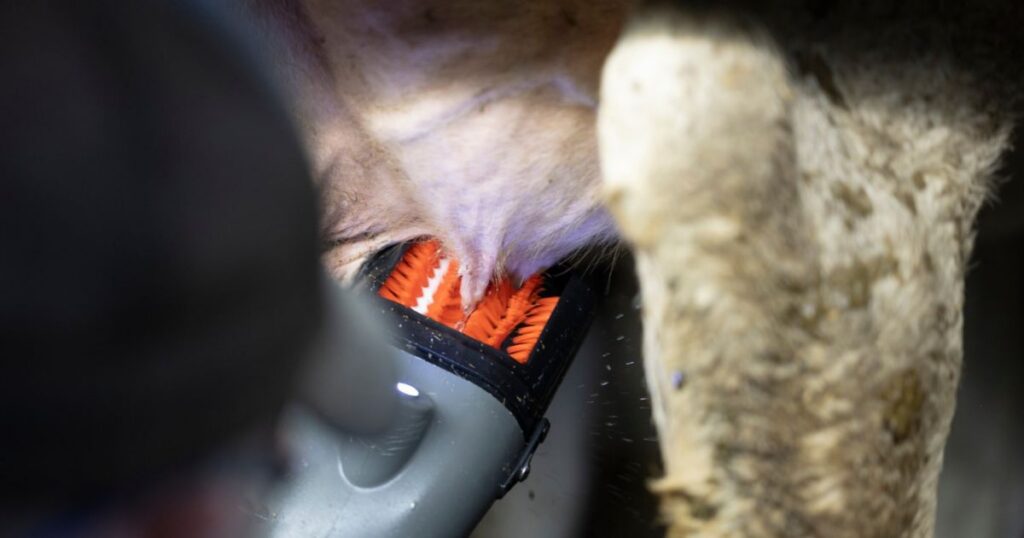

You Asked, We Listened: The XL Teatscrubber Built with You in Mind
November 6, 2026
Data drives nearly every decision we make. From reproduction programs to feed efficiency to milk quality, numbers tell us where we are, where we’re going, and whether our protocols are working. But there’s a critical truth that’s often overlooked: bad data is worse than no data at all.
Why? Because when data is inaccurate, inconsistent, or poorly collected, it doesn’t just fail to help, it actively leads us in the wrong direction.
How Bad Data Leads to the Wrong Decisions
Take reproduction for example. If heat detection entries are inconsistent or breeding dates aren’t recorded correctly, your conception rate reports will be misleading. Instead of fixing the true bottleneck, like poor insemination timing, you might blame semen quality or your nutrition program. Before long, you’re investing time and money into the wrong problem, while the real issue gets worse.
Milk quality is another area where bad data can be dangerous. If SCC samples aren’t taken properly or lab reports are misinterpreted, you could end up chasing phantom mastitis cases or overlooking real infections. A nutritionist might make ration adjustments to improve immune response, or a veterinarian might adjust treatment protocols, but if the numbers don’t reflect reality, those changes won’t move the herd in the right direction. In some cases, they can actually set you back.
Now, compare that with having no data. If you don’t have metrics in front of you, at least you’re not being steered down the wrong path. You might still identify issues through observation, like slower letdowns, extended open periods, or clinical mastitis cases, and address them. It’s not ideal, but it’s a safer starting point than building an entire management strategy on numbers that lie.
Why Data Integrity Matters
The point isn’t that data is bad. Quite the opposite: good data that is consistently collected and accurately interpreted is one of the most powerful tools we have. But the keyword is good. Sloppy recordkeeping, incomplete entries, or poor sampling techniques don’t just leave gaps, they create false confidence, and false confidence is dangerous in a business where margins are thin and decisions carry long-term consequences.
Read more what data matters in the parlor here.
For dairies that want to stay ahead, the focus should always be on data integrity. Train employees on proper data collection, make sure sampling is consistent, and take time to cross-check reports with what you’re seeing in the barn. Because when it comes to herd health, reproduction, or milk quality, having accurate data matters more than simply having data.
Bad data doesn’t just fail to tell the story. It tells the wrong story. And in dairy management, that can be more harmful than not having a story at all.