Cow Behavior Doesn’t Lie: Every Milking Tells a Story
July 24, 2026
Start Your Prep Routine Before Cows Enter the Parlor
June 12, 2026
Walk into most dairies today and you’ll find no shortage of data. There are parlor reports, milk flow curves, SCC trends, and more dashboards than ever before. In a lot of ways, the industry has done a great job solving the access problem, information is everywhere and easily available. This has all created a new challenge. We don’t struggle with a lack of data anymore. We struggle with knowing what to pay attention to, and what to do with it. Because at the end of the day, data only matters if it leads to better decisions in the parlor.
The Difference Between Watching and Improving
It’s easy to fall into the trap of watching numbers, checking reports and noticing small changes. Reacting when something moves in the wrong direction. But not all data is created equally. Some numbers tell you what has already happened. Others point to what’s actually driving performance.
If you spend all your time focused on outcomes, you’re always playing catch-up. If you focus on the right indicators, you can get ahead of problems before they show up elsewhere. That’s where clarity becomes valuable.
What the Parlor Is Really Telling You
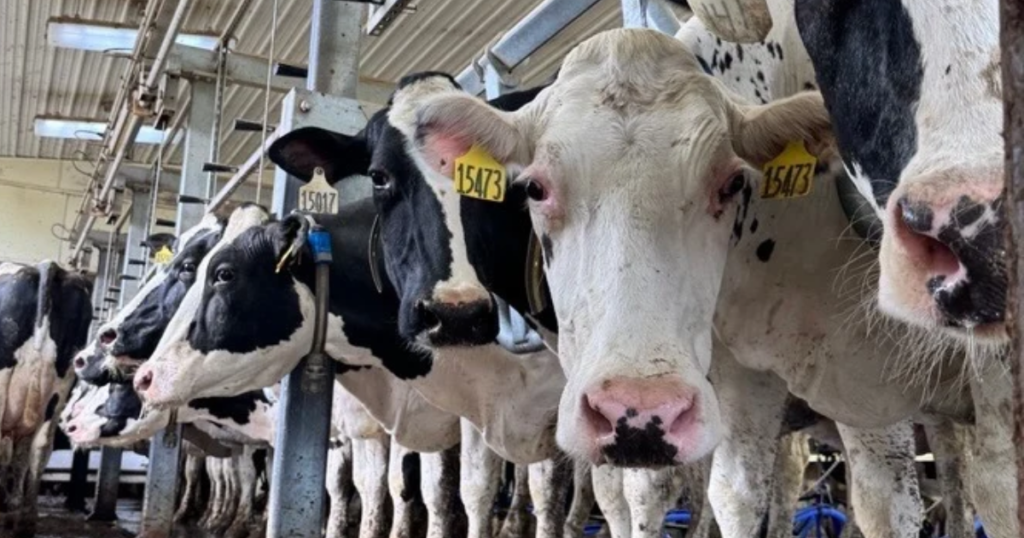
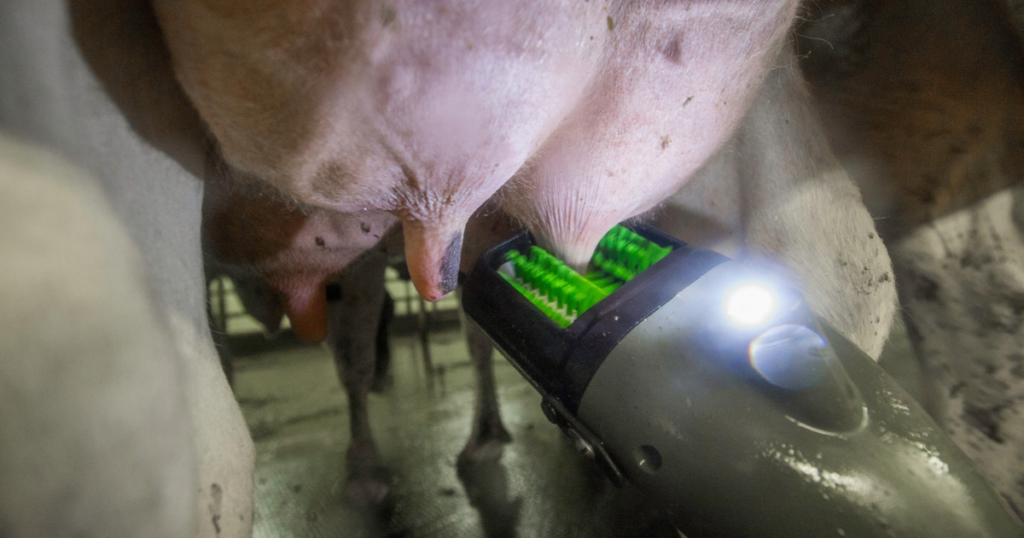
If you step back, there are a few signals in the parlor that consistently tell you whether things are working or not. One of the most telling is how quickly cows start giving milk after the unit is attached. When a large percentage of milk is harvested early in the milking, it’s usually a sign that everything upstream is working such as prep timing is right, stimulation is adequate, and cows are ready.
When that early flow isn’t there, something is off. Maybe units are going on too soon. Maybe stimulation is inconsistent. Either way, the cow is telling you she wasn’t ready.
You see a similar story in milk flow curves. When those curves dip and then rise again, known as bimodal milkings, it’s more than just a visual issue on a graph. It’s a direct reflection of delayed letdown and more often than not, that ties back to routine, not the cow.
From there, it starts to show up in time. Units stay on longer and throughput slows down. What feels like a small inefficiency at the front end of the process ends up costing you across the entire parlor.
That’s why unit-on time becomes such a valuable number. Not because shorter is always better, but because consistent, efficient milk-out tells you the routine is working. When that number creeps up, it’s usually not random, it’s a symptom.
And sitting underneath all of it is timing. Prep lag might be one of the simplest concepts in the parlor, but it has an undervalued impact. When timing is too short, cows aren’t ready. When it stretches too long, efficiency suffers. But more than anything, inconsistency from cow to cow is where things really start to break down.
Where Most People Get It Backwards
One of the most common mistakes is focusing too heavily on the end results, like somatic cell count or clinical mastitis. Those numbers matter, they always will, but they don’t tell you what to fix today. They tell you what has already happened over time.
If SCC starts climbing, the issue didn’t start today. If clinical mastitis shows up, something in the system has already broken-down days ago. The real opportunity is to focus on the pieces that lead to those outcomes in the first place. The routine, the timing, the consistency in how cows are handled and prepped.
That’s where change actually happens.
Turning Information Into Action
The goal isn’t to track more, it’s to understand better. Most dairies don’t need more reports. They need clearer direction on what the numbers are telling them, and just as importantly, that understanding has to make its way back to the parlor. Data doesn’t improve performance sitting in an office. It improves performance when it changes how people prep cows, attach units, and move through their routine.
That connection from numbers to action is where a lot of operations fall short.
Bringing It All Together
In a world where data is everywhere, simplicity becomes an advantage. You don’t need to chase every number or react to every change. What matters is focusing on the signals that reflect cow readiness, routine consistency, and overall parlor flow.
When those pieces are dialed in, the rest tend to follow.
Good data doesn’t just describe performance, it points you toward better habits.
When those habits become consistent, that’s when you start to see real, lasting improvement not just in the numbers, but in the way the entire parlor operates.